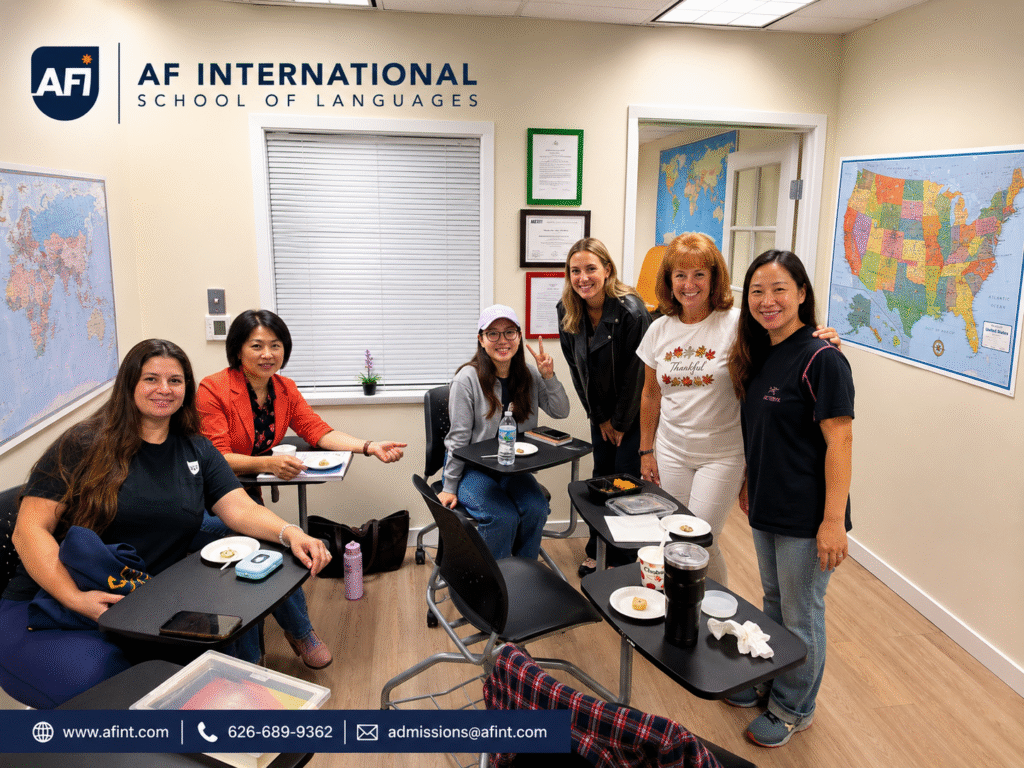
Every year, thousands of international students apply for F-1 visas to study in the United States. AF International School of Languages is an English school for international students seeking academic, professional, or visa-related English training in California.If you’re planning to study in the United States on an F-1 visa, understand this:
Most visa denials are preventable.
The F-1 process is not just paperwork — it’s about proving credibility, financial stability, and clear intent.
One mistake can delay your plans for months… or permanently block your visa.
This guide walks you through the 7 exact actions successful students take to secure approval — step by step.
Key Takeaways
- You must have a valid Form I-20 before applying — no exceptions.
- The SEVIS fee ($350) is mandatory before your interview.
- You must prove strong ties to your home country.
- Financial proof must show real, stable funds (not temporary deposits).
- Your interview answers must be clear, specific, and believable.
- Most denials happen due to weak intent or inconsistent answers.
What Is an F-1 Visa (And Who Needs It)?
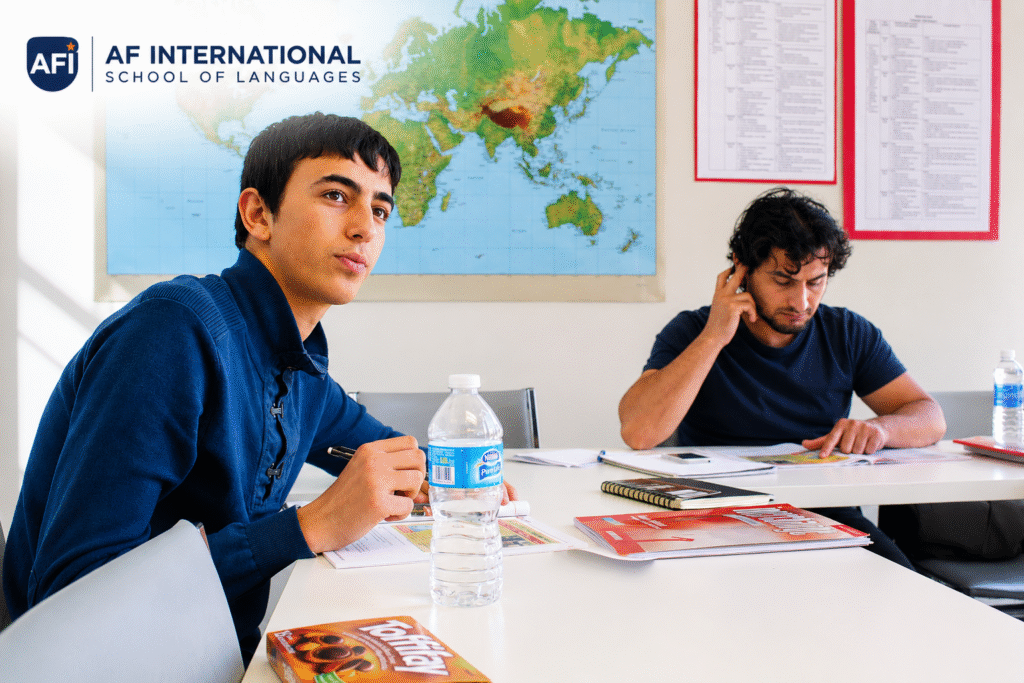
The F-1 visa is the standard nonimmigrant visa for full-time academic students enrolled at a SEVP-certified institution in the United States. International students applying through an English language program must attend a school authorized to issue Form I-20 documents for F-1 study.
If you are coming to the U.S. to attend a university, college, or language school, including an ESL program like those offered at AF International’s campuses in Pasadena and Thousand Oaks, you almost certainly need an F-1 visa. Many international students choose an ESL program in California to improve their English while studying in a diverse and academically focused environment.
The application process begins the moment a school accepts you, not at the consulate. Your school issues you a Form I-20, which is the foundation of your entire F-1 status. Every other step, paying fees, scheduling your interview, and entering the country depends on having a valid I-20 in hand.
7 Proven Steps to Secure Your F-1 Visa
1. Get Your Form I-20 Before Anything Else
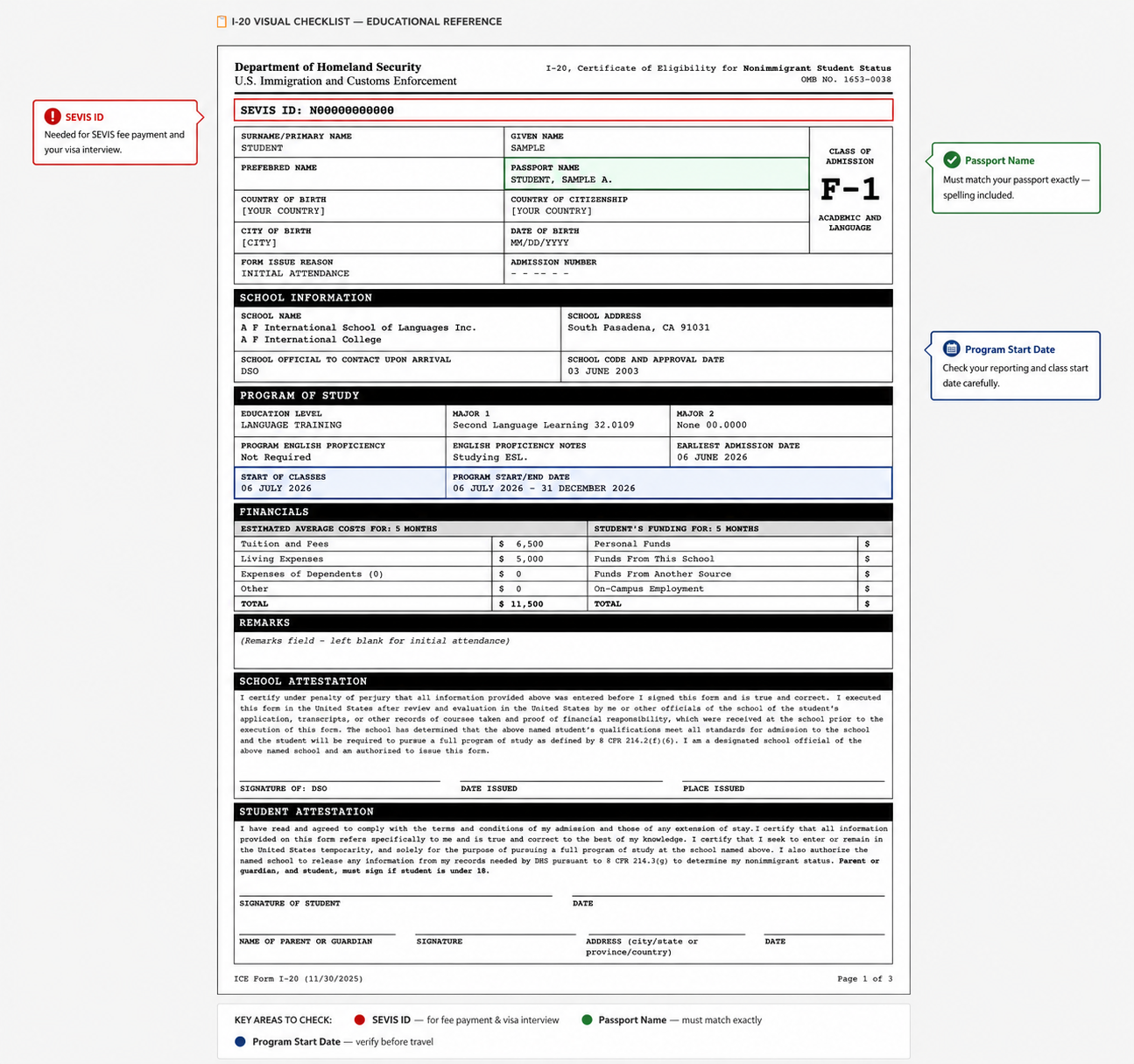
Your Form I-20 is issued by your school’s DSO (Designated School Official) after you are admitted. Without it, there is no visa application to file. Review every field on the I-20 carefully; your name, date of birth, and program dates must match your passport exactly. Any discrepancy can cause delays at the consulate or at the port of entry. If anything looks wrong, contact your DSO before paying any fees.
Students often ask whether they can start the DS-160 application before receiving the I-20. You can, but you cannot schedule your interview without it. Do not rush through the I-20 review step.
For a detailed breakdown of what each field means, see AFINT’s guide to the Form I-20.
2. Pay the SEVIS I-901 & Required Visa Fees
Before your visa interview, there are a few standard U.S. government fees every F-1 student must complete. These are mandatory and apply to all international students — not specific to any school.
The most important is the SEVIS I-901 fee ($350), paid directly to the U.S. government at fmjfee.com.
This payment activates your official SEVIS record the system that tracks your F-1 student status in the United States.
Without it, your visa application cannot move forward.
💡 What This Fee Actually Does
The SEVIS system allows you to:
- Maintain your legal F-1 student status
- Enter the United States as an international student
- Stay enrolled and track your academic progress
Think of it as your official student record in the U.S. immigration system
What You Need to Do
- Pay the SEVIS fee online
- Print your payment receipt
- Bring the receipt to your visa interview
Simple step — but absolutely essential
Don’t Let a Small Detail Delay Your Visa
Many students lose valuable time because they:
- Forget to print the receipt
- Pay too late before the interview
- Are unclear about which fees apply
These are small mistakes — but they can delay your visa process or require rescheduling
| Fee Type | Amount | Who Pays It | When to Pay |
|---|---|---|---|
| SEVIS I-901 Fee | $350 | Most F-1 Students | At least 3 days before your interview |
| MRV Fee | $185 | All Applicants | When booking the interview |
| Visa Integrity Fee | $250 | New for 2026 (Certain Nationalities) | Varies (often at the time of issuance) |
| Reciprocity Fee | Varies | Depends on Nationality | After visa approval (if applicable) |
Good News
These are fixed government fees — every international student goes through the same process.
Once completed, you are one major step closer to your visa approval.
| 🔑 Pro Tip Students who complete their payments early move through the process faster, smoother, and with less stress — especially during peak visa seasons. |
Next Steps
Once your SEVIS fee is paid, you’re ready to move forward:
- Complete your DS-160 form
- Prepare for your visa interview
If you need help, our team can guide you step by step to make sure you don’t miss anything.
Start Your I-20 Now — Get Approved FasterMost students get delayed because they apply too late or make small mistakes.
At AF International, we guide you step-by-step:
✔ I-20 issued quickly
✔ SEVIS + DS-160 guidance
✔ Interview preparation support
📞 Speak directly with an advisor today: 626-689-9362
💬 WhatsApp / Text available
👉 Apply now and secure your spot before visa appointments fill up
Start your I-20 application today — we’ll guide you all the way to your visa approval.
3. Complete the DS-160 Accurately (Your Visa Decision Starts Here)
The DS-160 is your official U.S. visa application, completed online at ceac.state.gov.
It may look like a simple form — but in reality, this is where many students lose their visa before the interview even begins.
Why This Step Matters More Than You Think
Consular officers review your DS-160 before you walk into the interview.
They cross-check your answers with:
- U.S. immigration records
- Your travel and visa history
- Academic and personal background
If something doesn’t match, it raises immediate concerns about your credibility.
Common Mistakes That Lead to Denial
- Incorrect dates (education, travel, employment)
- Missing or incomplete history
- Answers that don’t match what you say in the interview
- Forgetting previous visa applications or refusals
These are not small errors — they can directly result in visa denial
Critical Rule: Always Disclose Previous Visa Denials
The DS-160 asks whether you’ve ever been refused a U.S. visa.
You must answer truthfully — every time.
Even if:
- It was years ago
- It was a different visa type
- You think it’s not important
Not disclosing = misrepresentation
Misrepresentation = serious immigration consequences
Under U.S. law (INA §212(a)(6)(C)), this can lead to a permanent bar from entering the United States
What You Should Do
- Take your time completing the DS-160
- Double-check every answer before submitting
- Keep your answers consistent with your interview
- Save and review a copy for preparation
Accuracy builds trust — and trust is what gets visas approved
| 🔑 Pro Tip Think of your DS-160 as your first impression to the visa officer Students who complete it carefully and honestly are far more likely to pass the interview smoothly. |
Next Step
Once your DS-160 is completed, the next step is:
👉 Schedule your visa interview and prepare your answers
If you need guidance, our team can help you review your application and prepare with confidence.
Start Your I-20 Application Today — We’ll Guide You Step-by-Step📌 Need Help With Your F-1 Visa Process?
At AF International School of Languages, we help students:
✔ Receive I-20s quickly
✔ Avoid visa mistakes
✔ Prepare documents correctly
✔ Transfer schools smoothly
✔ Start classes faster
4. Demonstrate Strong Ties to Your Home Country (The #1 Factor in Visa Approval)
Under U.S. immigration law, every F-1 visa applicant is automatically presumed to be an immigrant — meaning the visa officer must be convinced that you will return home after your studies.
If you cannot clearly prove this, your visa will likely be denied under Section 214(b).
Why This Is the Most Common Reason for Denial
The visa officer is evaluating one key question:
“Will this student return to their home country after studying?”
If your answer is unclear, weak, or inconsistent — even if everything else is correct — your application can be denied in seconds.
What Counts as “Strong Ties”
You need to show real, logical reasons that connect you back to your home country.
Strong examples include:
- Property ownership or a long-term lease
- A job offer or employer letter confirming your return
- Close family members (especially dependents) remaining at home
- Acceptance into a future degree program in your country
- Business ownership, investments, or stable financial commitments
Under U.S. immigration law, every F-1 visa applicant is automatically presumed to be an immigrant — meaning the visa officer must be convinced that you will return home after your studies.
If you cannot clearly prove this, your visa will likely be denied under Section 214(b).
Why This Is the Most Common Reason for Denial
The visa officer is evaluating one key question:
“Will this student return to their home country after studying?”
If your answer is unclear, weak, or inconsistent — even if everything else is correct your application can be denied in seconds.
What Counts as “Strong Ties”
You need to show real, logical reasons that connect you back to your home country.
Strong examples include:
- Property ownership or a long-term lease
- A job offer or employer letter confirming your return
- Close family members (especially dependents) remaining at home
- Acceptance into a future degree program in your country
- Business ownership, investments, or stable financial commitments
The stronger and more specific your ties, the more confident the officer feels approving your visa.
Common Mistake Students Make
Many applicants say:
“I just want to study English”
“I like the U.S.”
These are not strong reasons — and they do not explain why you will return home.
What You Should Do Instead
Prepare a clear, logical story:
- Why you chose the U.S.
- How this program fits your career
- Why returning home benefits you
Your answer should make sense from a career and life perspective
| 🔑 Pro Tip Think like the visa officer: “Does this person have a reason to go back or a reason to stay?” Your goal is to make the answer obvious. |
Next Step
Once you’ve prepared your explanation, practice answering confidently and naturally for your interview.
If you need help, our team can guide you on how to present your case clearly and avoid common mistakes.
👉 Start your I-20 application today — we’ll guide you step-by-step to strengthen your visa approval chances.
5. Prepare Thorough Financial Documentation
One of the most important parts of your F-1 visa application is proving that you can financially support your studies in the United States without relying on unauthorized work. Visa officers need to see that you have sufficient funds to cover both your tuition and living expenses for at least your first year of study. This is not just a formality—it is a key factor in determining whether your application is credible.
You should be prepared to present clear and organized financial documentation, such as bank statements, sponsorship letters, or scholarship awards. In many cases, applicants use a combination of these to demonstrate financial strength. The goal is to show that your funding is legitimate, stable, and readily available.
If your education is being sponsored by a parent or family member, it is essential to prove that the funds genuinely belong to them. Visa officers are trained to identify situations where money has been temporarily transferred into an account just to meet the requirement. If your financial documents appear inconsistent, recently inflated, or unclear, it can quickly raise concerns and lead to a denial.
A common mistake applicants make is presenting a large lump sum that appears suddenly before the interview. While the total amount may look sufficient, it does not demonstrate long-term financial stability. Officers are looking for a pattern of consistent financial capacity, not a one-time balance that cannot be explained.
To strengthen your application, your documents should clearly show that your financial support is reliable and sustainable over time. When your financial story makes sense and aligns with your overall application, it builds trust and makes it easier for the officer to approve your visa.
6. Prepare Seriously for the Visa Interview
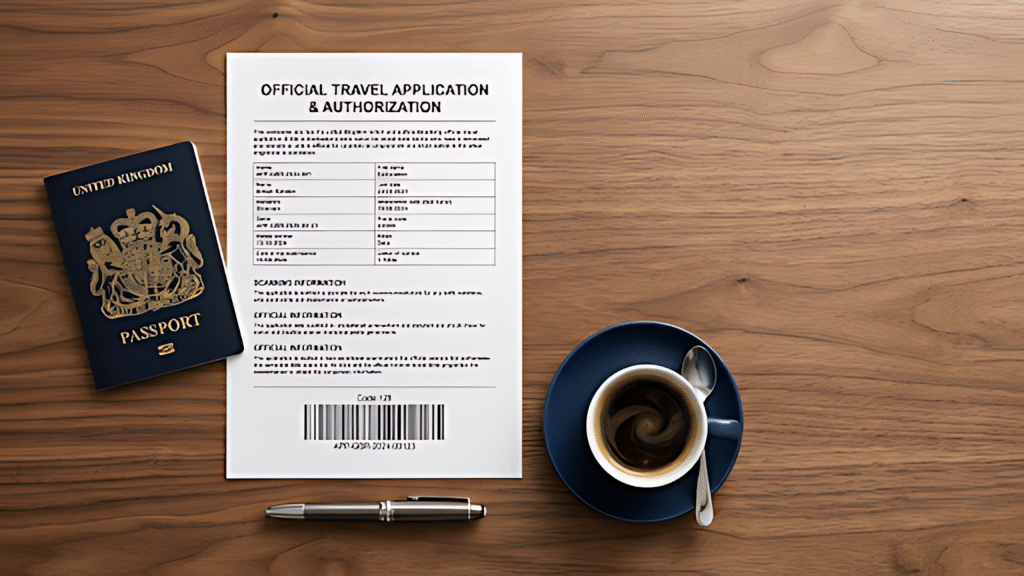
The visa interview is one of the shortest yet most important parts of the entire F-1 application process. In most cases, it lasts only three to five minutes. Within that brief time, the consular officer must quickly determine whether you are a genuine student, financially prepared, and likely to return to your home country after completing your studies. Because of this, every answer you give needs to be clear, specific, and confident.
During the interview, the officer is not just listening to your words—they are evaluating how well your answers align with your application, your documents, and your overall story. You can expect questions about why you chose to study in the United States, why you selected your specific school or program, how you will fund your education, and what your plans are after graduation. You may also be asked about your sponsor and their financial situation. These questions are straightforward, but your responses must demonstrate real intention and preparation.
A common mistake many applicants make is giving vague or generic answers. Statements like “I want to improve my English” or “It is a good school” are not strong enough to convince a visa officer. These responses do not explain your purpose, your goals, or your long-term plan. If you are unable to clearly connect your studies to your future, the officer may conclude that your intentions are unclear and deny your visa on the spot.
To improve your chances of approval, you should prepare your answers in advance and practice explaining them naturally. Your responses should be honest, specific, and tied to your academic or career goals. When your answers are consistent, well-structured, and easy to understand, you make it much easier for the officer to trust your case and approve your visa.
For a comprehensive preparation resource, see AFINT’s F-1 visa interview questions guide.
🚫 Why Students Get Denied an F-1 Visa
Every year, many qualified international students are denied F-1 visas simply because they were not properly prepared for the process.
In many cases, the denial has nothing to do with intelligence, grades, or English level. Most refusals happen because the visa officer is not fully convinced by the student’s overall application, financial situation, or interview answers.
The Good News
Most F-1 visa denials are preventable.
Our team works with international students every day and understands the common mistakes that can delay, weaken, or negatively affect a visa application. In many cases, small issues such as inconsistent answers, unclear financial documentation, or poor interview preparation can create unnecessary problems during the visa process.
With proper preparation and clear guidance, many of these mistakes can be avoided.
The Most Common Reasons Students Get Denied
Weak or Unclear Interview Answers
One of the biggest mistakes students make is giving vague answers such as:
- “I just want to study English”
- “The U.S. has good schools”
- “My parents told me to study abroad”
Visa officers want to understand:
- Why you chose this program
- How it connects to your future
- Why studying in the U.S. makes sense for your goals
Clear, specific answers build credibility and confidence.
Insufficient Financial Documentation
Students must prove they can realistically afford tuition and living expenses without unauthorized work in the United States.
Applications often raise concerns when:
- Bank balances appear suddenly inflated
- Financial documents are inconsistent
- Sponsorship relationships are unclear
- Funding sources cannot be explained logically
Strong financial evidence should look stable, organized, and believable.
Weak Ties to the Home Country
Under U.S. immigration law, applicants must convince the officer they plan to return home after completing their studies.
Students are commonly denied when they cannot clearly explain:
- Career plans in their home country
- Family or professional obligations
- Long-term goals after graduation
The officer must see a logical reason for returning home after the program ends.
Inconsistent DS-160 Information
Even small inconsistencies between the DS-160 form, supporting documents, and interview answers can create credibility concerns.
Common problems include:
- Incorrect dates
- Incomplete travel history
- Missing prior visa refusals
- Conflicting education or employment details
Accuracy and consistency are critical throughout the entire application process.
Applying Too Late
Many students underestimate how long visa processing can take.
Delays may happen because of:
- Limited interview appointment availability
- Missing documents
- Administrative processing
- Peak visa season demand
Students who start early generally experience a much smoother process with less stress.
The Students Who Succeed Usually Do One Thing Well:
They prepare carefully.
Strong applications are organized, honest, consistent, and easy for the visa officer to understand.
At AF International School of Languages, we help students every day with:
✔ I-20 processing
✔ Document preparation
✔ F-1 transfer guidance
✔ Interview preparation support
✔ Understanding how to maintain F-1 status correctly
If you want guidance through the process, our admissions team is happy to help you move forward step-by-step.
7. Start the Process Early — Consulate Wait Times Can Be Unpredictable
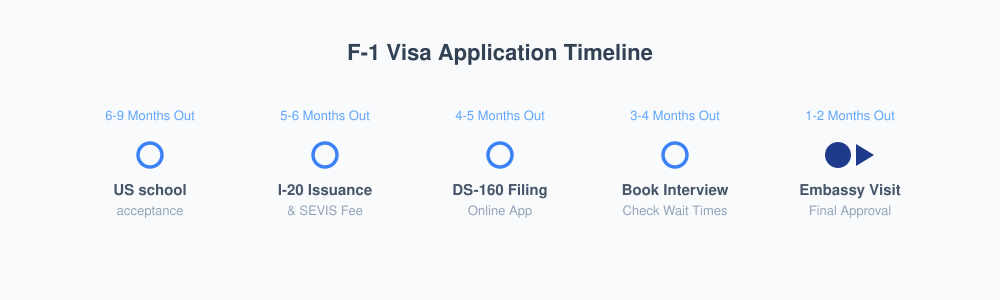
Timing plays a critical role in the success of your F-1 visa application. Visa appointment wait times at U.S. consulates vary widely depending on your country, the time of year, and overall application demand. During peak seasons—especially late spring and summer—students often face significant delays, with interview appointments at high-demand consulates booked out for several weeks or even months.
To avoid unnecessary stress or the risk of missing your program start date, it is strongly recommended to begin your application process at least six to nine months in advance. Starting early gives you enough time to secure an interview slot, prepare your documents properly, and respond to any unexpected delays, such as additional document requests or administrative processing. Students who wait too long often find themselves rushing or losing their enrollment opportunity altogether.
It is important to check your consulate’s current wait times through the official U.S. Department of State scheduling system, rather than relying on outdated estimates or third-party information. Appointment availability can change quickly, sometimes within days, so staying informed and acting early gives you a clear advantage.
Visa Interview Slots Are Filling Fast
Every month, students delay their application — and lose their chance to start on time.
If you’re planning to study in the U.S. in 2026, you should already be preparing your I-20.
Waiting now can mean missing your intake or delaying your visa for months.
At AF International, we help you move quickly and correctly:
✔ Fast I-20 processing
✔ Step-by-step visa guidance
✔ Document review to avoid delays
👉 Start your I-20 application this week to stay on track
⏱️ We can review your documents within 24–48 hours
If you want even MORE leads, add this one line under email:
📩 Send your documents today — we’ll review and guide you on next steps
Your Final Checklist
Showing up with a disorganized or incomplete document set is one of the most preventable reasons students lose interview appointments. Before your interview date, confirm you have every item in the list below.
Organize these documents in the order the officer will likely ask for them. A prepared applicant is a credible applicant.
- Valid passport (must be valid at least 6 months beyond your program end date)
- Form I-20 signed by both you and your DSO
- DS-160 confirmation page
- SEVIS fee (I-901) payment receipt
- Visa application fee (MRV fee) payment receipt
- Photo meeting current U.S. visa photo requirements
- Financial documentation (bank statements, sponsorship letters, scholarship letters)
- Admission letter from your school
- Academic transcripts, test scores, and diplomas from prior education
- Evidence of home-country ties (property deeds, employment letters, family documents)
What to Do Next
The F-1 visa application process is highly structured. Every step has a clear requirement, a specific order, and supporting documentation that must be prepared correctly. The students who succeed are not necessarily the smartest—they are the ones who follow the process carefully, stay organized, and understand exactly what they are presenting to the visa officer.
As you move forward, focus on completing each step methodically. Review your documents, ensure consistency across your application, and practice your interview answers with clear and specific details. When your application is well-prepared and your intentions are easy to understand, your chances of approval increase significantly.
If you are planning to study English in the United States, choosing the right school can also make a meaningful difference in your visa process. At AF International School of Languages, our campuses in Pasadena and Thousand Oaks provide direct support for international students throughout the F-1 process. From issuing your Form I-20 to guiding you through SEVIS and interview preparation, our team helps you stay on track so you can focus on your academic goals.
Ready to start? Take a free placement test and speak with an AFINT advisor about your F-1 enrollment options.
🌴 Why International Students Choose Pasadena for ESL Study
Choosing the right city is just as important as choosing the right school.
Many international students prefer Pasadena because it offers a safer, quieter, and more academically focused environment compared to many larger urban areas in Los Angeles.
Located just northeast of downtown Los Angeles, Pasadena is known for its beautiful neighborhoods, walkable streets, cafés, public transportation access, and strong educational atmosphere. It is home to world-renowned institutions such as California Institute of Technology (Caltech) and is closely connected to research centers like Jet Propulsion Laboratory (JPL/NASA).
For many international students, Pasadena provides a more comfortable transition into life in the United States because it is:
- Cleaner and quieter than many central Los Angeles areas
- More walkable and student-friendly
- Well connected by public transportation
- Filled with libraries, cafés, restaurants, and study spaces
- Known for a professional and academic atmosphere
- Popular with graduate students, researchers, and professionals
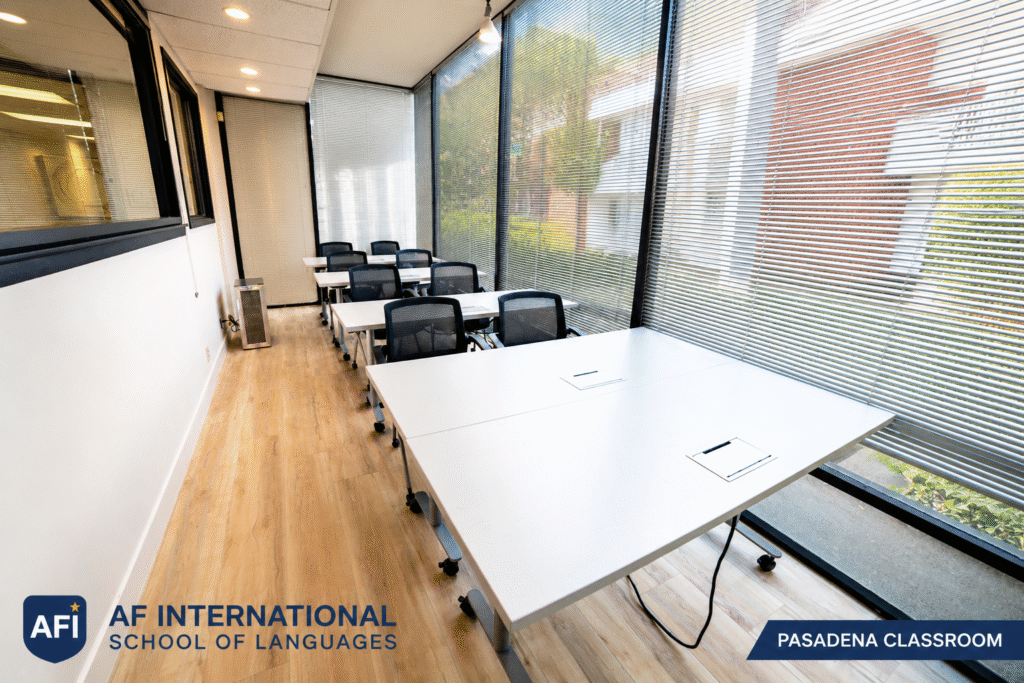
Students studying at AF International School of Languages also appreciate the smaller class environment and personalized support available through our ESL classes in Pasadena.
For students focused on professional growth, career communication, or academic preparation, our English for Professionals program is especially popular among working adults and international professionals.
Many students tell us that Pasadena gives them the balance they are looking for:
access to Los Angeles opportunities while still maintaining a calmer and more focused study environment.
Frequently Asked Questions
You can apply for your visa up to 120 days before your program start date. However, because interview availability can vary significantly, it is recommended to begin checking for appointments six to nine months in advance. Starting early gives you flexibility and reduces the risk of delays.
You may enter the United States up to 30 days before the start date listed on your Form I-20. Be mindful of extended trips outside the U.S., as staying abroad for more than five consecutive months may result in termination of your SEVIS record, requiring you to obtain a new I-20 and repay the SEVIS fee.
Yes, but employment is limited to authorized categories. On-campus work is allowed for up to 20 hours per week while school is in session. Off-campus work requires prior authorization, such as CPT (Curricular Practical Training) or OPT (Optional Practical Training), approved by your Designated School Official.
The interview is typically brief and focused on consistency. As long as your answers are honest, specific, and aligned with your application, the process is usually straightforward. Preparation and clarity are key.
A denial under Section 214(b) usually means the officer was not convinced you would return to your home country. Before reapplying, it is important to strengthen your case by improving your financial documentation, clarifying your study plans, or providing stronger evidence of ties to your home country.
English proficiency is generally an admission requirement set by the school, not the consulate. If you are accepted and issued a Form I-20, a TOEFL or IELTS score is not strictly required for the visa itself. However, you should expect to communicate in English during your interview.
Ready to Study in the U.S.?
AF International School of Languages supports international students through every stage of the F-1 process.
Every student’s situation is different, but proper preparation and guidance can make the visa process significantly less stressful and more manageable.
Let’s Get Your I-20 Started
You don’t need to figure this out alone.
At AF International School of Languages, we work with students every day to:
- ✔ Avoid visa mistakes
- ✔ Prepare strong applications
- ✔ Move through the process faster
📞 Call / Text: 626-689-9362
💬 WhatsApp available
📧 Email: admissions@afint.com
👉 Email us today with your basic information, and we’ll guide you step-by-step on your next steps
| 免责声明 The information provided on this page is for general educational purposes only and should not be considered legal or immigration advice. Visa regulations and government policies may change over time. Students should always consult official U.S. government sources and speak directly with their Designated School Official (DSO) regarding their individual situation. |