Table of Contents

The Complete Guide to F-1 Visa Renewals (2026)

The Complete Guide to F-1 Visa Renewals

Summary

  • Visa ≠ Status: Your F-1 visa is an entry document used to request admission at the U.S. border. Your ability to stay in the U.S. depends on maintaining F-1 status, usually shown by your I-20 + active SEVIS record + I-94 marked“D/S” (Duration of Status).
  • No in-U.S. visa renewals: You generally cannot renew an F-1 visa stamp inside the U.S. Visa stamps are issued by U.S. embassies/consulates abroad.
  • When renewal is actually needed: In most cases, you only need a valid F-1 visa stamp when you travel internationally and plan to re-enter the U.S.
  • 2026 consular screening: Visa renewal procedures and interview requirements can vary by country and consular post, and processing times can change quickly.
  • OPT travel caution: International travel between graduation and receiving your OPT EAD card can be more complicated and should be discussed with your DSO before you book flights.

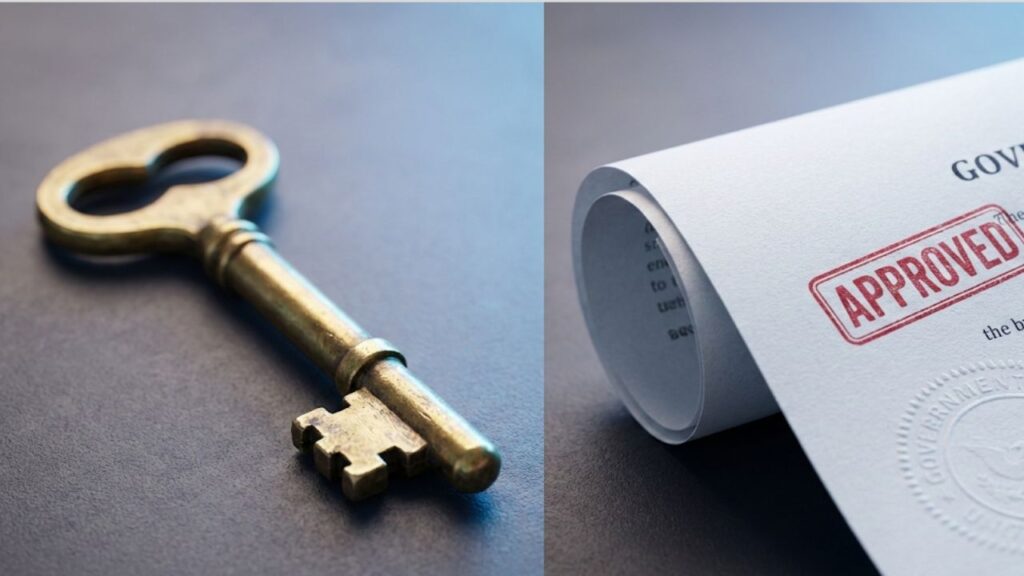
The F-1 visa is often misunderstood as a “golden ticket” that guarantees an entire stay in the United States. In reality, it functions more like an entry document—it helps you request admission to the U.S., but it does not automatically control how long you can remain here.

For international students in 2026, understanding the difference between having a valid visa stamp and maintaining lawful F-1 status can prevent stressful travel delays, unexpected appointment issues, or disruptions to study plans—especially during OPT transitions.

This guide explains the F-1 visa renewal process in a clear, school-appropriate way: when renewal is required, what documents typically matter most, what to expect at the consulate, and how to plan travel while protecting your SEVIS record.

⚠️ Important Legal Disclaimer:
Visa issuance and renewal decisions are made solely by U.S. embassies/consulates and admission decisions at the border are made by U.S. Customs and Border Protection (CBP). Schools can provide general guidance (including travel signatures when appropriate) but cannot guarantee visa approval or entry.
Immigration rules can change quickly. This article is for general information only and is not legal advice. Always confirm your situation with your DSO and/or a qualified immigration attorney before international travel.

Need an I-20 from a SEVP-certified school in California? AF International School of Languages supports eligible students with SEVIS-compliant enrollment, documentation guidance, and student services at our Pasadena and Thousand Oaks locations. Contact our admissions team to ask about transfer and I-20 options. For a quick overview of the basics, check out our 

When Is Visa Renewal Actually Necessary?

While F-1 status regulations allow flexibility while you are physically present in the United States, the requirements change once you plan to travel internationally.
Understanding when F-1 visa renewal is required—and when it is not— helps students avoid unnecessary travel stress, appointment delays, and unexpected interruptions to their studies.

In most cases, the need to renew an F-1 visa is tied to international travel and re-entry, not to your day-to-day stay in the U.S.

Primary Triggers for a New Visa Stamp

Your F-1 visa functions as an entry document, not a measure of how long you can remain in the U.S. While international travel is the most common reason students renew their visa, there are a few additional situations where renewal may be appropriate.

Below are the most common scenarios that prompt students to apply for a new F-1 visa stamp.

Planned International Travel and Re-entry

The most common reason for F-1 visa renewal is international travel followed by a planned return to the United States.
Because the F-1 visa is used only at the U.S. port of entry, its expiration date does not affect your ability to stay in the U.S. as long as you are maintaining F-1 status.

However, once you depart the U.S., you must generally have a valid, unexpired F-1 visa to request re-entry.
If you are outside the U.S. with an expired visa stamp, you will typically need to apply for a new visa at a U.S. embassy or consulate before returning—regardless of how much time remains on your I-20.

Physical Damage to the Visa Stamp

If your visa stamp is damaged or unreadable due to water exposure, tearing, or wear, it may no longer be accepted for entry.
U.S. border officials must be able to clearly verify all security features, including the photo and machine-readable zone.
If the stamp cannot be authenticated, you may be required to apply for a replacement visa, even if the printed expiration date has not passed.

Changes in Educational Level or Program

Some students choose to renew their F-1 visa when they change academic levels—such as moving from a Bachelor’s degree to a Master’s degree or from ESL to a degree program.
Although a visa with remaining validity may still be usable, many students prefer to renew during a scheduled break so the visa reflects their updated I-20 and academic objective.
This can help avoid additional questions during future travel, especially if the program level listed on the visa no longer matches the student’s current studies.

Starting OPT or a STEM OPT Extension

Travel during Optional Practical Training (OPT) or the STEM OPT extension requires extra planning.
While some students do travel during OPT, visa renewal during this period can involve greater scrutiny, since academic coursework has been completed and employment authorization becomes the basis for maintaining status.

If a visa renewal is delayed or denied while a student is abroad on OPT, returning to the U.S. to resume employment may not be possible.
For this reason, many students discuss travel timing carefully with their DSO before deciding whether to renew a visa during OPT.

Quick Fact: Situations That Do Not Automatically Require Visa Renewal

  • Passport Expiration: If your passport expires but your F-1 visa is still valid, you may travel using a new passport for identification and your old passport containing the visa stamp (as long as the visa page is intact).
  • Visa expiration while in the U.S.: An expired visa stamp does not end your F-1 status. As long as you are maintaining status (full-time enrollment or authorized training, valid documents, and SEVIS compliance), you can generally remain in the U.S.ed. 

A helpful way to think about it: the visa is the key to enter, not the permission to stay.

What If My F-1 Visa Has Already Expired? (General Guidance)

  • If your F-1 visa expires while you are inside the United States, your daily activities usually do not change. You may continue studying, working on campus, or engaging in authorized OPT—as long as you are maintaining status.
  • The main limitation arises only if you leave the U.S. Once you travel abroad, a new visa stamp is generally required to return.
  • Your next steps depend on where you are physically located when you discover the expiration.

Scenario A — You Are Inside the United States

If you are currently in the U.S., immediate action is often not required. You may remain in the country until your I-20 end date or until you complete your program (plus any applicable grace period).

The key decision point is future travel.
If you plan to travel internationally, begin preparing for visa renewal well in advance—often 2–3 months before departure—to account for appointment availability and processing times.

Scenario B — You Are Outside the United States

If you are already abroad and your F-1 visa has expired, you will generally need to apply for a new visa before returning.

Recommended steps include:

  • Check interview-waiver eligibility: Some applicants may qualify for interview-waived renewal depending on timing and location.
  • Schedule the earliest available appointment: You can monitor for earlier openings after scheduling.
  • Notify your DSO: Schools can help document your situation and advise on next steps if arrival is delayed.

Scenario C — Your I-20 Has Also Expired

If your I-20 has expired, your situation requires immediate review. Depending on your I-94 status, program completion date, and any authorized grace period, you may be out of status.
Before traveling or taking further action, contact your DSO immediately to review your options.
In some cases, reinstatement or other remedies may be available, but timing and documentation are critical.

Students considering travel, transfer, or OPT planning are encouraged to speak with a SEVP-certified school before making decisions.

AF International School of Languages supports eligible students with SEVIS-compliant enrollment, I-20 issuance, and general status guidance at our Pasadena and Thousand Oaks campuses.

The Rules of F-1 Status and Visa Validity

Illustration comparing the F-1 visa stamp as an entry document and the Form I-20/I-94 as proof of lawful student status.

One of the most important concepts for international students to understand is the difference between entering the United States and remaining lawfully present.
A common misconception is that the expiration date on an F-1 visa stamp determines how long a student may stay in the U.S. This is not correct.

To protect your F-1 status, you must clearly separate the function of your visa (used to request entry) from your status(the conditions that allow you to remain and study).

FeatureF-1 Visa (Stamp)F-1 Status (I-20 / I-94)
Primary purposeEntry into the U.S.Lawful stay in the U.S.
Issued byU.S. Department of State (Embassy/Consulate)U.S. Department of Homeland Security (CBP/SEVIS via DSO

Can expire while in the U.S.?

Yes

Status can be violated if requirements are not met

Where managed or updatedOutside the U.S. onlyInside the U.S. through your school
Primary documentsPassport visa stampForm I-20 and I-94 marked “D/S”

The Practical Reality of Long-Term F-1 Status

  • In practice, a student may spend many years in the United States—moving from ESL to a degree program, or from a Bachelor’s to a Master’s or PhD—without renewing their visa stamp, as long as they do not travel internationally.
    The key rule is this:
  • As long as your Form I-20 remains valid, your SEVIS record is active, and you are meeting all F-1 requirements, you may remain in the U.S. even if your visa stamp has expired.
  • The visa stamp only becomes relevant again at the U.S. port of entry. Once CBP admits you and records your stay as “D/S” (Duration of Status) on your I-94, the visa stamp itself has no further function until your next international trip.

Recommended Reading: The Document Deep Dive

Want a deeper explanation? See our F-1 Visa & I-20 Information Guide for a breakdown of how these documents work together..

What Is the Primary Condition for F-1 Visa Renewal?

The primary requirement for F-1 visa renewal is maintaining lawful F-1 status. Consular officers review whether you have complied with your student obligations and whether your academic plans remain consistent with the F-1 category. Because a visa is an entry document, renewal is generally only required if you plan to travel outside the U.S. and return.

Key Elements Officers Typically Review

  • Valid Form I-20: Your I-20 must reflect your current program and end date. Extensions must be approved before expiration.
  • Proof of active status: Full-time enrollment or authorized training (OPT/CPT), academic progress, and SEVIS compliance.
  • Valid passport and I-94: These confirm your current admission status.
  • Financial ability: Evidence that you can support yourself for the remainder of your program.
  • Purpose of travel: Renewal is usually tied to international travel plans, not domestic activity.

F-1 Visa Renewals and Educational Progression

There is no fixed numerical limit on how many times an F-1 visa may be renewed. However, renewals are evaluated in the context of academic progression.

Consular officers expect to see a logical educational path, such as advancing from ESL to degree study, or from undergraduate to graduate education. Students who repeatedly remain at the same academic level for extended periods may receive additional scrutiny.

Ultimately, renewal decisions are based on whether you continue to demonstrate that you are a bona fide student pursuing a legitimate educational objective, rather than using the F-1 category for long-term residence.

Can You Extend an F-1 Visa Inside the U.S.? (The I-20 Solution)

Students often ask whether an F-1 visa can be “extended” from within the United States. The answer is no—visa stamps can only be issued or renewed at U.S. embassies or consulates abroad. However, students can extend their lawful stay by extending their Form I-20. As long as your I-20 is valid and you continue to meet F-1 requirements, your status remains intact regardless of the visa stamp expiration date.

What Is an I-20 Extension?

An I-20 extension updates your program end date in SEVIS when additional time is needed to complete academic requirements. Common reasons include program changes, research delays, or approved medical leave.

Importantly, an I-20 extension does not renew your visa stamp—it only authorizes continued stay in the U.S. for study purposes.

The I-20 Extension Process

To maintain status through an extension, students should contact their DSO before the program end date on the I-20. Schools typically require documentation showing a valid academic reason for additional time and updated proof of financial support. Requirements vary by school and situation.

Administrative Updates Matter

Changes such as a new address, OPT employer update, or legal name change generally must be reported within 10 days. Confirm exact reporting requirements with your DSO. Unreported changes can create SEVIS discrepancies that complicate future visa renewal or travel.

See our SEVIS Record Update Guide for step-by-step instructions.

Travel Risks in 2026 — Denials, OPT Gaps, and Strategic Planning

While international travel is allowed, it is not always advisable.

Traveling with an expired visa means relying on a future consular decision rather than your current lawful presence. In 2026, visa renewal is often treated as a full reassessment, not a routine formality.

Before traveling, students should carefully weigh the importance of the trip against possible delays or denials.

Risks and Alternatives if Renewal Is Not Possible

Visa renewal becomes a serious issue primarily when:

  • You are outside the U.S. and the renewal is denied, or
  • You have lost F-1 status inside the U.S.

If renewal is not possible due to a status issue or a 214(b) denial, immediate guidance from your DSO is essential.

When a Student Becomes “Out of Status”

A student may fall out of status by:

  • Dropping below full-time enrollment without authorization
  • Working without proper permission
  • Staying beyond the grace period after program or OPT completion
  • Allowing the I-20 to expire without extension

The “Stay and Finish” Planning Approach

For some students already in the U.S., choosing not to travel may be the most stable option.

As long as F-1 status is maintained, students may complete their program—and even OPT or STEM OPT—without renewing the visa stamp until travel becomes necessary.

Consequences of Status Violations

Violating F-1 status can have serious immigration consequences, including potential removal proceedings and future entry restrictions.

Whether unlawful presence accrues for D/S admissions can be legally complex, so students should consult their DSO or an immigration attorney immediately if a violation may have occurred.

OPT Travel — A Particularly Sensitive Period

Travel during OPT or STEM OPT requires heightened caution.

Because academic coursework has ended, consular and border officers often examine intent and employment documentation more closely.

Travel between graduation and receipt of the EAD card is especially challenging, as documentation may be limited.

If a Renewal Is Denied While on OPT

If a visa renewal is denied while a student is abroad on OPT, returning to the U.S. to continue employment may not be possible.

This may affect the ability to continue OPT employment and should be discussed with a DSO before international travel.

What Happens After a Consular Denial?

A visa denial abroad prevents re-entry, even if prior documents were valid.

Options vary by situation and should be reviewed with a DSO or qualified immigration attorney.

Students planning transfers, OPT participation, or future travel should work with a SEVP-certified school experienced in SEVIS compliance.

AF International School of Languages supports eligible students with compliant enrollment, I-20 issuance, and ongoing student services at our Pasadena and Thousand Oaks campuses.
Overview: F-1 Visa Renewal Process

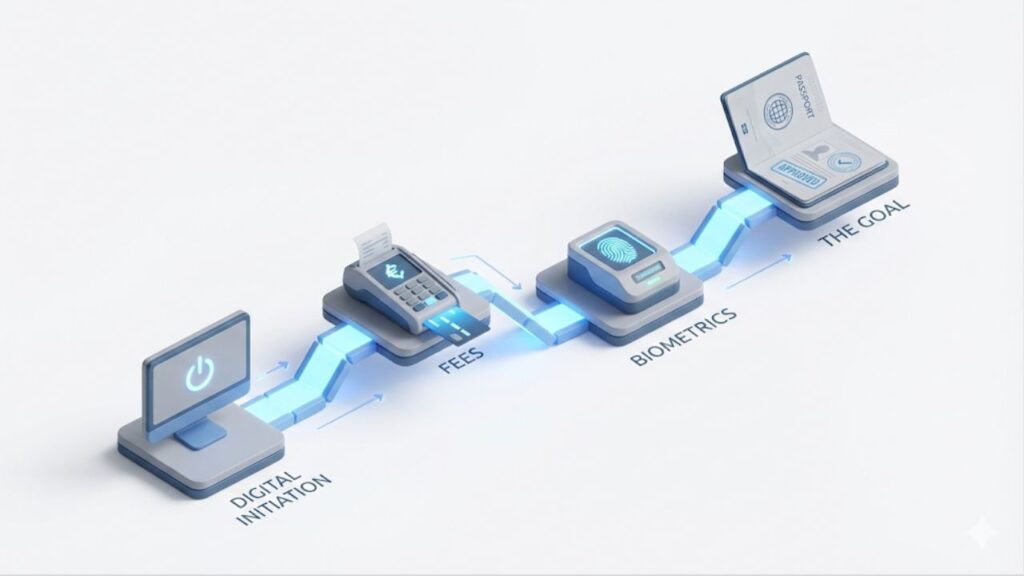
Step-by-step F-1 visa renewal workflow showing DS-160, fee payment, biometrics (if required), interview or document drop-off, and passport return.

Once you confirm that you need an F-1 visa renewal for upcoming international travel, your focus shifts from maintaining F-1 status inside the U.S. to completing a U.S. consular visa application abroad.

For most students, the renewal process is similar to the initial F-1 visa application—but your history matters more. Officers may review your academic progress, SEVIS compliance, and consistency across prior applications. Visa issuance decisions are made solely by U.S. embassies/consulates, and schools cannot guarantee approval.

Where Must You Be Physically Located? (Home Country vs. U.S.)

A key rule: you cannot renew an F-1 visa stamp from inside the United States. Visa stamps are issued by the U.S. Department of State at embassies/consulates abroad, so you must apply outside the U.S.

Home Country (Often the Lowest-Risk Option)

For many applicants, renewing in the home country is the most straightforward approach. Officers there are generally familiar with local financial documents and family/tie evidence, and applicants may face fewer logistical complications if additional processing is required.

Third Country National Processing (TCN)

Some students apply in a country that is not their home country (for example, applying in Canada or Mexico). This can be permitted, but it can carry higher practical risk: if your case is delayed or refused, you may not be able to return to the U.S. quickly and may also face limitations staying in that third country.

Automatic Visa Revalidation (Limited Re-entry Exception)

In some limited situations, certain nonimmigrants may be able to return to the U.S. after short trips (30 days or less) to Canada, Mexico, or (for certain F and J travelers) adjacent islands, if all requirements are met and no new U.S. visa application is filed during that trip. This is called Automatic Visa Revalidation and it has strict eligibility rules.

(We cover this in detail later—carefully—because eligibility depends on facts and documents.)

Preparation in 2026: Vetting, Fees, and Your Digital Footprint

Renewal standards and processing times can vary by country and consular post, and students should plan early. Small inconsistencies (school history, addresses, employment details, prior travel) can trigger delays or additional questions.

Social Media Identifiers on DS-160 (5-Year History)

Applicants are required to list social media identifiers used in the past five years on the DS-160 (as applicable). Officers may review publicly available information and ask follow-up questions, so your application and online footprint should be consistent with your F-1 activities and intent. Important: Do not omit accounts. Inaccurate or incomplete disclosures can create serious credibility issues.

Fee Structure (Confirm by Embassy/Consulate)

  • MRV (Visa Application) Fee: The U.S. Department of State lists the standard non-petition nonimmigrant visa application fee (including F) as $185 (check current amounts and local payment rules).
  • SEVIS I-901 Fee: Usually not paid again if your SEVIS record/SEVIS ID remains the same, but rules differ in situations like certain reinstatement cases or if a new SEVIS record is created.
  • Other possible fees: Some applicants may have additional issuance/reciprocity fees depending on nationality; always confirm on the embassy/consulate’s official website.

The DS-160 Form (Essential Paperwork)

The DS-160 is the core of your renewal application. For returning students, officers often compare your new DS-160 with prior applications and travel history.

DS-160 Pro Tips

  • Consistency matters: Dates, schools, prior refusals, SEVIS info, and travel history should match your records.
  • U.S. point of contact: Use your Designated School Official (DSO) or the school’s international office contact listed on your I-20 (not generic campus info).
  • OPT/STEM OPT applicants: Ensure your employment details align with what your school/SEVIS shows (employer name, location, role).
  • Photos: Follow the official photo requirements to avoid delays.

Mandatory Documents for Your Appointment (Checklist)

Requirements vary by consular post. The list below is a typical set of documents; your embassy/consulate may require different items.

Core Must-Haves

  • Current passport (and old passports with prior U.S. visas, if available)
  • DS-160 confirmation page (barcode)
  • Visa appointment confirmation (if applicable)
  • Proof of MRV fee payment
  • Form I-20 (signed by you; travel signature valid—often within 12 months, and within 6 months for OPT/STEM OPT is a common practice)
  • I-94 record (printout)

Academic Support Documents

  • Enrollment verification letter (if available)
  • Transcripts or academic history (especially if you changed programs or had breaks)

Financial Support Documents

  • Bank statements and/or sponsor letters
  • Proof of sponsor income (if sponsored)
  • Scholarship/assistantship letters if applicable

Additional Documents for OPT / STEM OPT

  • EAD card (and supporting approval documents if requested)
  • Recent employment letter (job title, duties, location, start date; ideally recent)
  • Updated I-20 reflecting OPT/STEM OPT and employer details

F-1 Visa Renewal Process (General Workflow)

Here’s a clear workflow that matches how most students experience the renewal process:

Typical stage: completing the DS-160 application

Submit DS-160 and save the confirmation page.

Step 2 — Pay Fees + Use the Scheduling Portal

Pay the MRV fee and schedule your appointment (or document drop-off) based on the embassy’s system.

Step 3 — Interview vs. Interview Waiver (If Eligible)

Some applicants may qualify for an interview waiver depending on visa type, expiration timing, and local post rules. This varies by country and changes over time—assume an interview may be required unless the system confirms a waiver.

Step 4 — Processing + Passport Return

  • If approved, your passport is held for visa printing and returned by pickup or courier. Some cases go into additional processing (221(g)).

Outcomes, Processing Times, and Denials (What to Expect)

Common Decision Types

When the officer finishes your interview, you will generally receive one of three responses. In the current landscape, the “Pending” category has become the most common for returning students.

Outcome

What it means

What to do

Primary purpose

Visa issuance approved

Wait for passport return before booking tight travel

221(g)

Additional processing or documents requested

Follow instructions; notify your DSO if delays affect school dates

214(b)

Refusal based on nonimmigrant intent or eligibility concerns

Do not reapply unless circumstances/evidence meaningfully change

221(g) Administrative Processing

221(g) can extend timelines significantly. Plan for flexibility and avoid booking non-refundable returns until your passport is back.

Common Issues That Trigger Problems

  • Inconsistencies between DS-160 and prior records
  • Unclear academic progress or frequent breaks
  • OPT/STEM OPT documentation gaps
  • Online content that conflicts with your F-1 purpose (officers may ask questions based on what’s publicly visible)

Using Automatic Visa Revalidation for Short Trips (Canada, Mexico & Adjacent Islands)

Automatic visa revalidation is applied at the discretion of CBP at the port of entry and eligibility is fact-specific.
Automatic Visa Revalidation

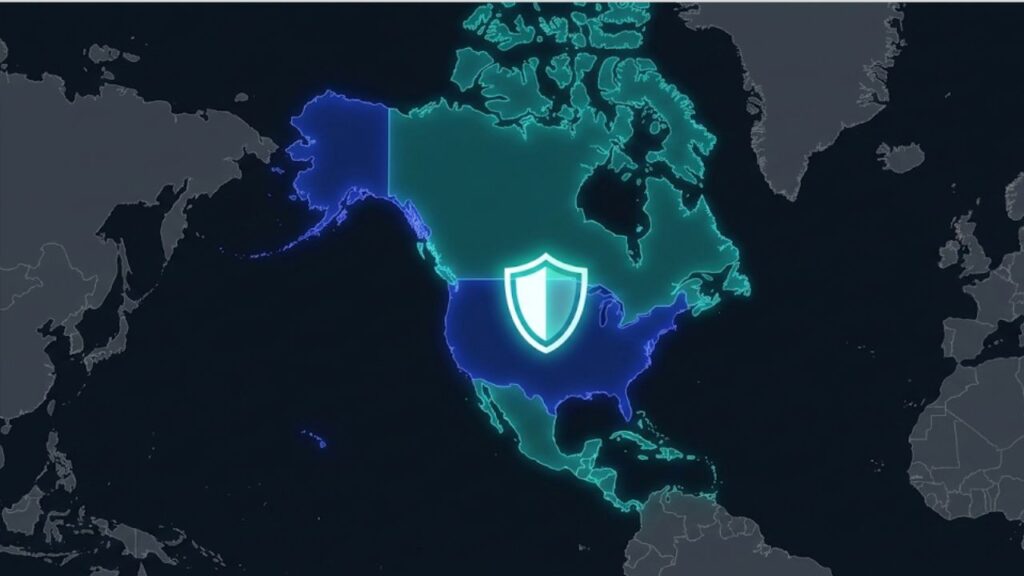
Automatic visa revalidation (sometimes called “automatic visa revalidation” or “AVR”) is a U.S. government rule that may allow some F-1 students to re-enter the United States with an expired F-1 visa stamp after a short trip to Canada, Mexico, or certain adjacent islands—if they meet all requirements.

AVR is not a “visa renewal” and it is not guaranteed. It is a border re-entry provision applied at the port of entry, and eligibility depends on your documents and your specific situation. Before you travel, confirm your plan with your DSO.

Can I Travel to Canada or Mexico With an Expired F-1 Visa?

In many cases, yes—if your trip is 30 days or less, you travel only to Canada or Mexico (or eligible adjacent islands for F/J), you have a valid passport, and you are maintaining F-1 status with a valid I-20 and a recent travel signature.

Think of AVR as a limited re-entry option for short, nearby travel—not a substitute for renewing your visa stamp.

Eligibility Basics (What Must Be True)

Some travelers may not qualify for AVR based on nationality, visa classification history, or other factors. Always confirm with your DSO before travel.

The 30-Day Time Limit

Automatic visa revalidation is strictly limited by time. Your absence from the United States must be 30 days or less, counted from the day you depart the U.S. to the day you return and seek admission at the Port of Entry.

If you attempt to re-enter on Day 31 or later, automatic visa revalidation no longer applies, and you will be required to present a valid, unexpired F-1 visa stamp to return.

Because flight delays and border issues can occur, many advisors recommend planning a shorter trip (for example, returning within 20–25 days) rather than using the full 30-day window.

Do You Need a New Visa Stamp?

One benefit of automatic visa revalidation is that, if all requirements are met, you do not need to obtain a new F-1 visa stamp for a short, qualifying trip. Your previously issued visa is considered valid solely for re-entry from that trip.

However, this benefit ends immediately if you apply for a new U.S. visa while abroad. If you visit a U.S. embassy or consulate during your trip and your application is delayed or refused, you cannot rely on automatic visa revalidation and must wait abroad until a new visa is issued.

Common examples (non-exhaustive)

Qualifying Example:
You travel from the U.S. to Vancouver for a three-day visit, do not apply for a new visa, and return with a valid passport, I-20 (with recent travel signature), and I-94. If the officer confirms all requirements are met, you may be admitted.

Non-Qualifying Example (Visa Application):
You travel to Mexico for 10 days and apply for a new F-1 visa during the trip. Even if the trip is under 30 days, applying for a visa generally cancels eligibility for automatic visa revalidation.

Non-Qualifying Example (Ineligible Travel Route):
You travel from the U.S. to Mexico, then visit a third country, and return to Mexico before attempting to re-enter the U.S. Visiting a non-eligible country breaks eligibility for automatic visa revalidation.

Emergency Scenarios — Lost or Stolen Documents

Automatic visa revalidation and normal re-entry both depend on having your original travel documents. If your passport or Form I-20 is lost or stolen while your visa has expired, the situation becomes urgent and requires immediate action.

Your next steps will depend on whether the loss occurs inside or outside the United States.

Document Loss While Inside the U.S.

If your passport containing an expired F-1 visa is lost or stolen while you are inside the United States, you should file a police report and contact your home country’s embassy or consulate to obtain a replacement passport.

As long as you remain in the U.S. and have a valid I-20 issued by your DSO, your F-1 status may continue. However, you should not travel internationally until you have secured a new passport and planned a proper visa renewal abroad.

You should also notify the U.S. embassy or consulate that issued your original visa to report the loss.

Document Loss While Outside the U.S.

If your passport is lost or stolen while you are outside the U.S. (such as in Canada or Mexico), automatic visa revalidation cannot be used for re-entry.

You will need to obtain a replacement passport from your home country’s consulate and request a replacement I-20 from your DSO. You must then apply for a new F-1 visa at a U.S. embassy or consulate before returning to the United States.

This process can take several weeks, and you should plan accordingly.

Conclusion — Should You Renew Your F-1 Visa or Stay Put?

The key to understanding F-1 visa renewal is separating permission to stay from permission to re-enter the United States. An expired F-1 visa stamp does not automatically end your lawful presence if you are maintaining valid F-1 status. It primarily affects your ability to travel internationally and return.

For many students, remaining in the U.S. and completing their studies without international travel can be the simplest and lowest-risk option. If travel is necessary, careful planning, accurate documentation, and early preparation are essential.

At AF International School of Languages, we support students with compliance-focused guidance, including I-20 travel signatures and document readiness, so you can make informed decisions about travel and visa renewal.

SEVP & Immigration Disclaimer

Admissions & Academic Team, A F International School of Languages
Information on this page is provided for general educational purposes only and does not constitute legal advice.


F-1 visa issuance and renewal decisions are made solely by the U.S. Department of State at U.S. embassies and consulates. Admission decisions at the port of entry are made by U.S. Customs and Border Protection (CBP).

Schools may provide general guidance on enrollment, documentation, and SEVIS reporting but cannot guarantee visa approval, entry to the United States, or specific immigration outcomes. Immigration regulations and procedures may change. Students should always confirm their individual situation with their Designated School Official (DSO) and/or a qualified immigration attorney before making international travel or enrollment decisions.

Frequently Asked Questions About F-1 Renewals

No. F-1 visa stamps are issued only by U.S. embassies or consulates outside the United States.

In many cases, yes. Interview waiver eligibility varies by country and consulate, and requirements may change. Always plan as if an interview will be required unless the system confirms otherwise.

Some students may apply as third-country nationals, but this carries additional risk. If the application is delayed or denied, you may not be able to return to the U.S. immediately.

If denied while abroad, you cannot re-enter the U.S. using your previous visa. You must remain outside the U.S. and explore reapplication or alternative academic options with your DSO.

Many students begin planning three to four months in advance due to appointment backlogs and possible administrative processing.

Extended time outside the U.S. can affect F-1 status. If you expect to remain abroad for an extended period, consult your DSO before leaving.

No. If you are maintaining valid F-1 status and have a valid I-20, you may generally remain in the U.S. even if your visa stamp expires.

Our Students Love Us!

Student
Testimonials

Translate »